Popular Watch Tips Post

This post is going to be really different than the normal posts that you’re used to reading from me. This post is for dealing with difficult and tough times. It is applicable to any situation and is not limited to any specific occasion. This will not be a watchmaking post although a lot of principles do derive from it.
This post is a heart to heart human connection to you. I am approaching you first and foremost not as an acquaintance, colleague, or friend but rather as a family member, brother, or even as a mentor. If this helps even one person from going off the deep ends, consider my job complete.
There’s a lot of bullshit out there on how often you need to get your watch serviced. On one hand, manufacturers say you need to get it serviced every X amount of years. On the other hand, online forums and friends have conflicting answers to what is supposed to be a simple answer.
It can be very confusing but here’s an attempt for a definitive guide in figuring out how often and when you should get your watch serviced.
Bare in mind that everyone is different. The primary consideration you should keep in the back of your mind when going through this is CONTEXT. There are complex and alternative scenarios where these concepts are negated.

One of the biggest concepts in watchmaking that’s not spoken about is Endshake Adjustment. We’ll go over what is endshake and how we use the Horia tool to adjust it. We talk about how to increase, decrease, and check for endshake in watchmaking. We will simplify the art of endshake in watchmaking.
Being an independent watchmaker is hard. It’s not easy and it shouldn’t be easy. It’s hard enough as it is to service watches, polish, speak to customers, etc. Although this post says it’s for independent watchmakers, it’s really for all watchmakers. Even the aspiring ones.
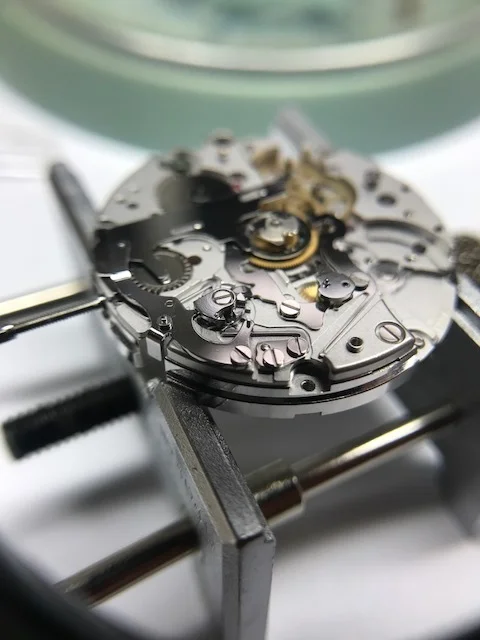
This is my personal experience with Watchmaking programs and how you can go about creating your own. In this process, it’s my hope that you take action to learn quality watchmaking in whatever shape or form it may be in (with all excuses aside).
Create a "[INSERT YOUR NAME] Fund" that would replace [INSERT WATCHMAKING SCHOOL]. Let's be extremely conservative and say a typical watchmaking program costs you $35,000 (not factoring in rent, food, living expenses, tools, etc.).
With the fund, you would aim to spend $35,000 over two years on education, training, and tools. The caveat is that you have to be ready to lose all of the $35,000.
Think of this as a sunk tuition cost. The hope is that the skills, mindset, lessons learned, and the people you meet will be worth the $35,000 investment. The two-year plan is spent on the learning experience (long term ROI) and not for short-term ROI.
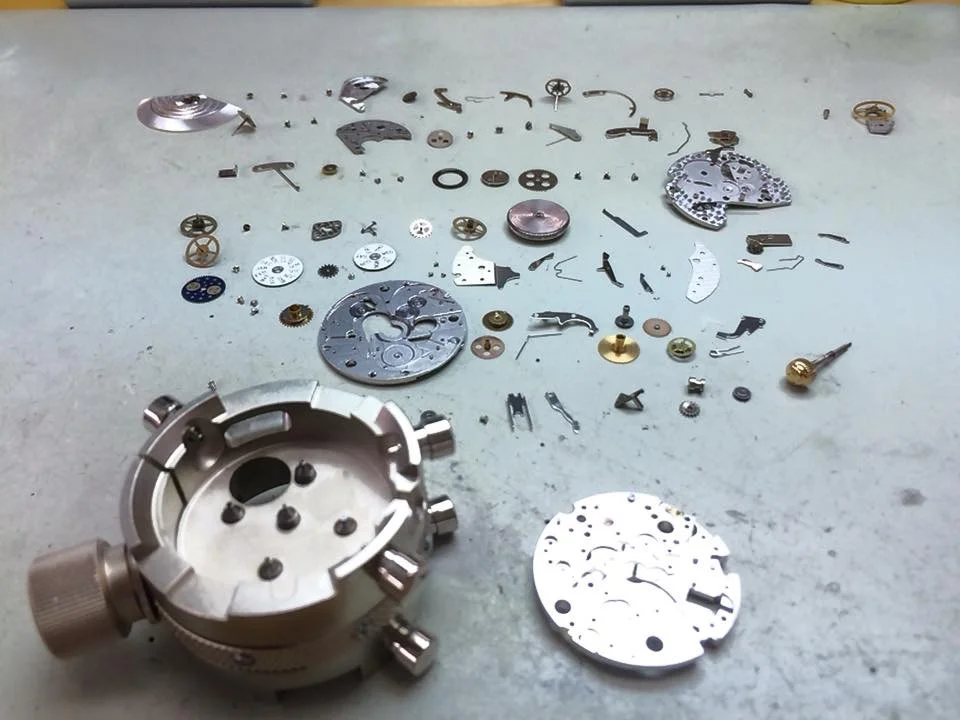
I teach watchmaking with a principles based approach backed by practical actions. My approach to watchmaking can largely be based off of 3 key principles. The principle of Investigation & analysis, mechanical interlock, and skill. Read more here

Watch estimates are confusing for your average customer. You might not know what to look for. Hell, you might not even know what any of that shit means. I'll go over some of the nomenclatures we use such as dial, hands, bezel, middle case, bezel, etc. I’m here to decipher and explain exactly what it means.

Consider this as a personal guide in the beginning stages of your watchmaking career. Since you're part of the club now, I will be blunt. I wrote this article with one thing in mind and one thing only. I wrote this because I wished I would've had this information when I first started watchmaking. I wrote this so that one of you will benefit from this and in hopes that you won't have to learn the hard way like I did.
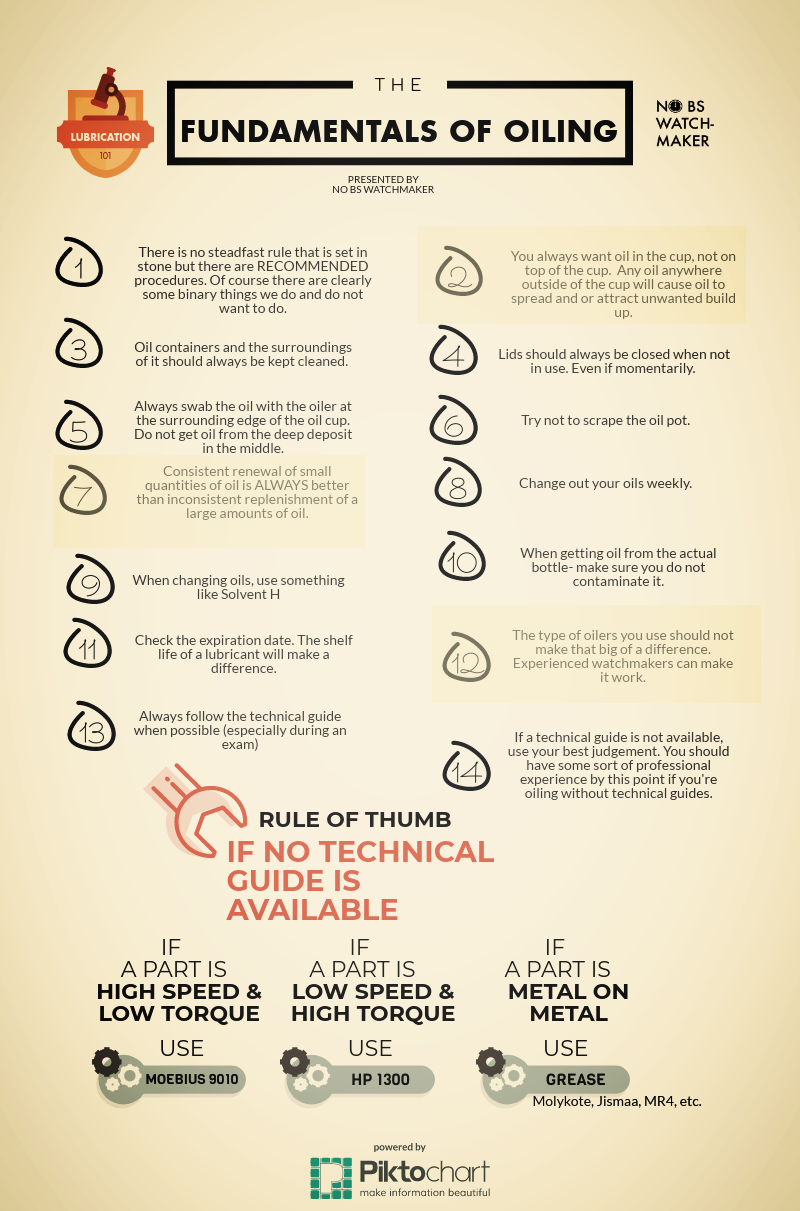
Read this Fundamental post on Oiling in Watchmaking. I go over the reasons why we oil, common oilers, frequently used lubricants, dos and donts, and the history of oiling. This should serve as a broad definitive guide to the art of oiling in watchmaking.

With Watchmaking, it's a binary decision. You can't be half pregnant. Either you're fully committed or you're not. If you even have to ask whether or not you should get into watchmaking- you probably shouldn't. People who are deeply invested and are serious about learning watchmaking will find a way. If there's a will, there's a way.
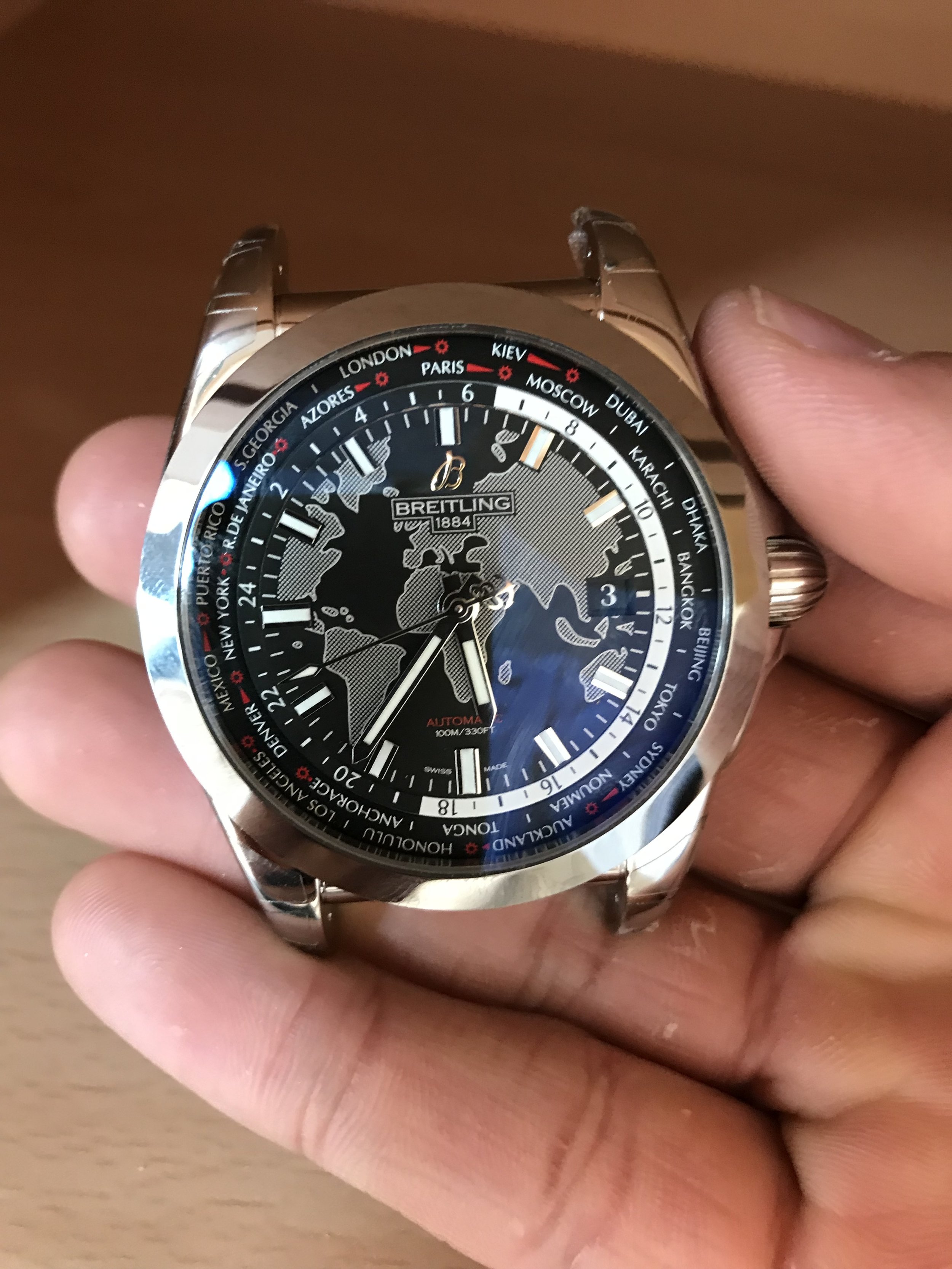
Here's how you can identify certain models of Breitlings and figure out what their model numbering system means!
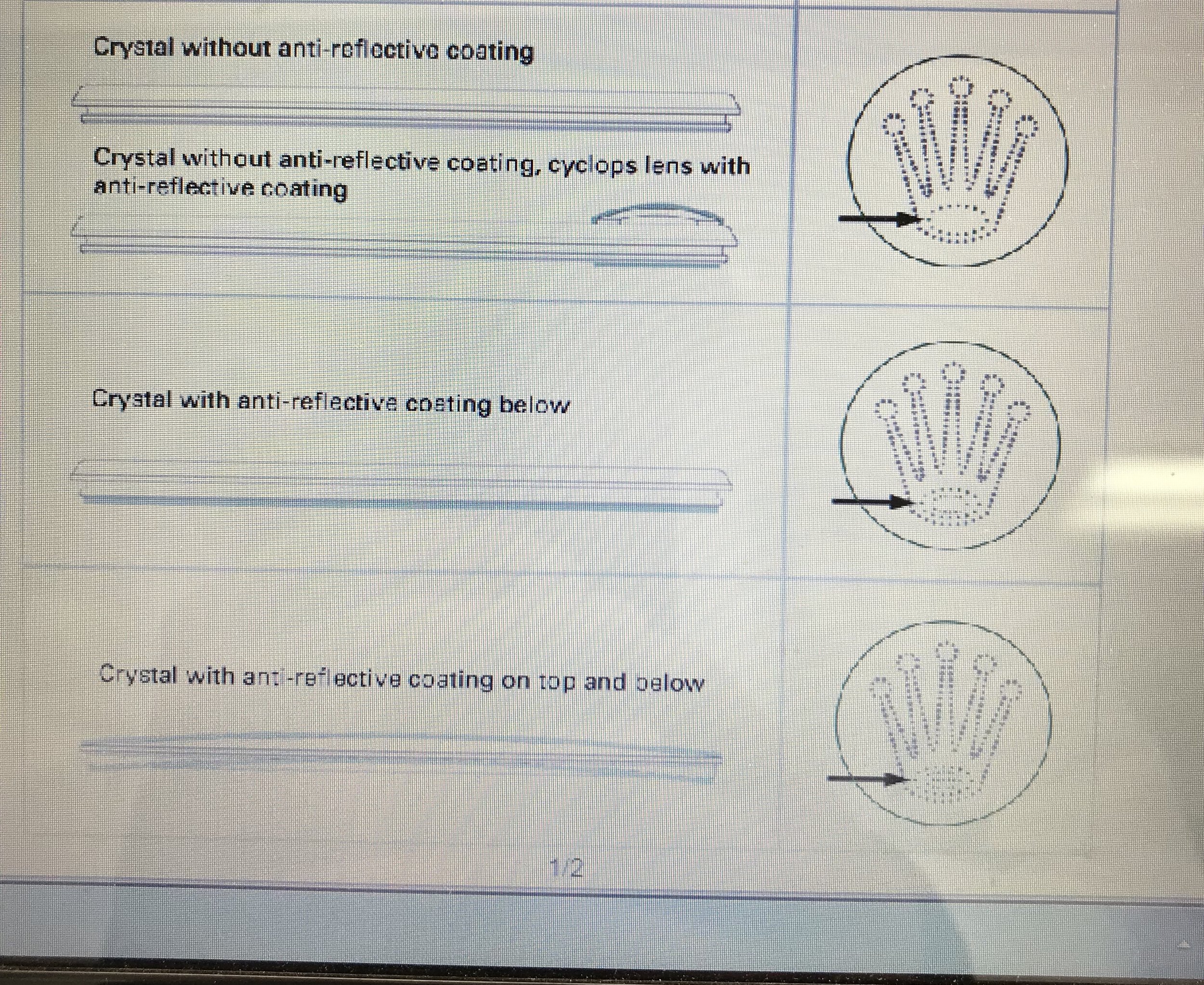
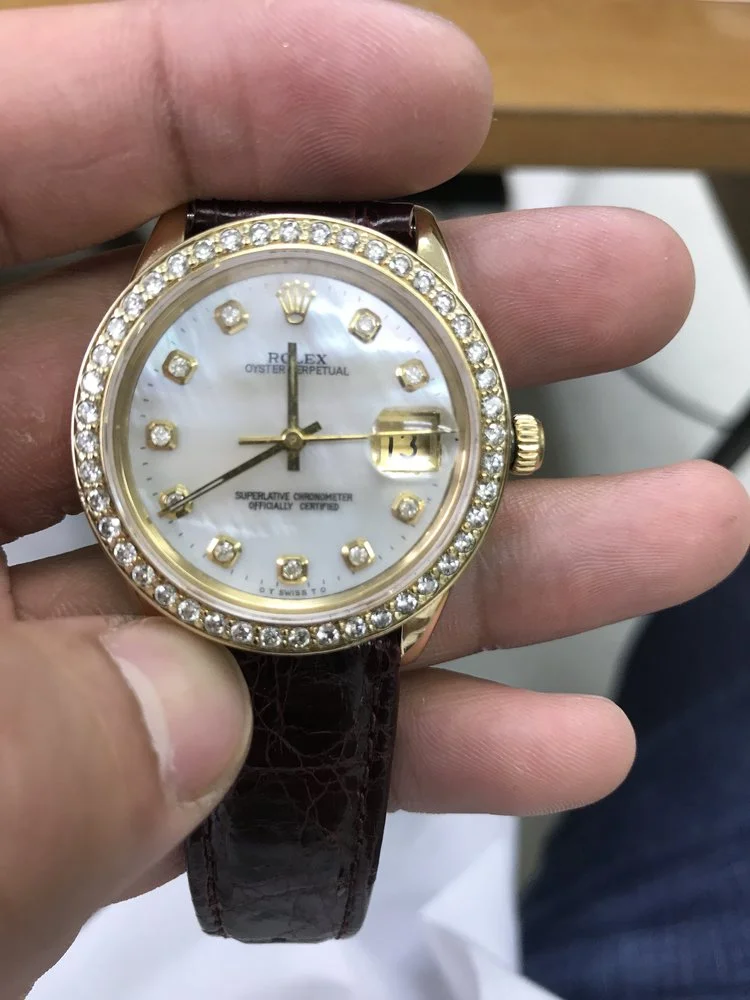
Here’s how you can tell if a #Rolex has a reflective coating or not. Use a loupe and look at the 6oclock marker on the crystal. You should see an extremely faint Rolex logo. We also use this to tell if the crystal is centered. 🔬🔬🔬🔬
So if you have a Rolex- I’d check this ASAP. Now, you can look at this reference image above to see if the Rolex crystal has a reflective coating or not. If you didn’t know this... now you do. Thank me later! 🤙


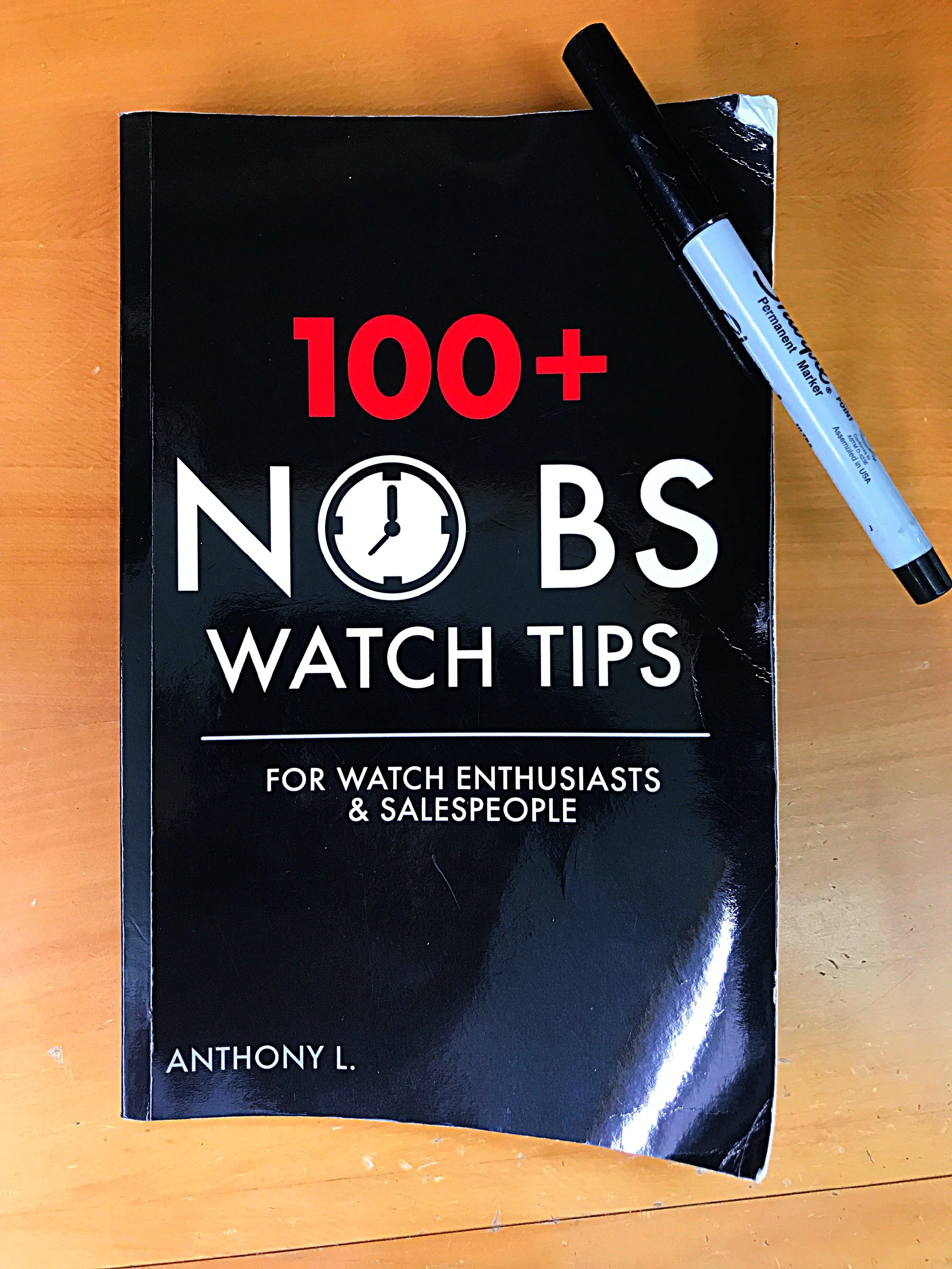
Did you buy the book? If so- READ THIS! We're taking the watchmaking world by storm

When watchmakers talk about how water resistant your watch is, we will often use “bars” or “atmospheres” and if you’re lucky enough to come across a down to earth watchmaker, we might even use feet! Here is a broken down list of water resistant measures we use in the industry.
Be careful with who you follow and take your watchmaking advice from. Even from me. You should always question everything. One of the lessons I've learned from watchmaking is to always question everything. Never blindly follow something